Casinos
 Betting
 Games
Games 
 Payments
  Casino Bonus

Canada at the Winter Olympics 2026 Guide

- Canada at the Winter Olympics 2026 Guide
 Author: Lukas
 Updated: 16 February, 2026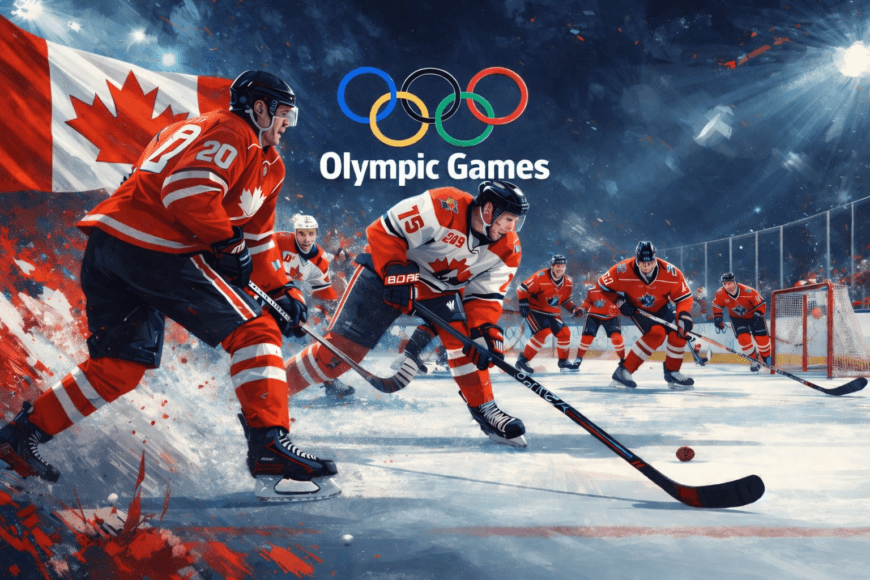
Canada enters the Winter Olympics 2026 in Milan and Cortina d’Ampezzo with expectations that go beyond participation. As one of the most successful Winter Olympic nations in history, Canada consistently competes for medals across ice hockey, speed skating, freestyle skiing, and snowboarding. For Canadian viewers, the Games are not simply an international event but a continuation of a deep national winter sports culture.
The 2026 edition presents a favourable time difference compared to past Olympics hosted in Asia. With Italy operating on Central European Time, Canadian audiences will experience early morning and midday medal events depending on the province. Planning around those windows is essential for fans who want to follow key Canadian finals live.
At we at casinoble, we view major global tournaments like the Winter Olympics as both sporting milestones and high-engagement entertainment cycles. This guide explores Canada’s likely medal sports, scheduling considerations, and how fans can structure viewing alongside short, controlled casino breaks without losing focus on the competition.
Canada’s Strongest Medal Sports in 2026
Canada traditionally performs strongly in several key winter disciplines, reflecting decades of investment in elite development programs. Identifying where medal probability is highest allows viewers to focus on the most competitive events. It also provides context for following athlete preparation, qualification results, and international form leading into the Games.
Ice Hockey and Team Dominance
Ice hockey remains central to Canada’s Winter Olympic identity. Both men’s and women’s tournaments attract national attention, particularly during medal rounds. Olympic hockey differs from NHL play due to shorter tournaments, condensed schedules, and roster variations depending on league participation agreements.
Tournament structure typically includes:
- Group-stage qualification
- Quarterfinal elimination rounds
- Medal semifinals and finals
Fans following Canadian ice hockey betting markets often monitor roster announcements and international form before the Games begin.
Because elimination rounds allow little room for error, even dominant teams face heightened volatility compared to league play.
Freestyle Skiing, Snowboard, and Speed Skating
Canada has consistently produced elite athletes in freestyle skiing and snowboard disciplines. These events reward technical precision, aerial difficulty, and execution under pressure. Judging-based scoring introduces variability, which can shift medal outcomes despite strong qualification runs.
Speed skating, particularly long track and short track, remains another Canadian strength. These events are determined by margins measured in hundredths of a second, making pacing and race tactics crucial.
Key factors influencing medal outcomes include:
- Weather and ice conditions
- Qualification heat placement
- Athlete recovery between rounds
Canadian fans who track broader Winter Olympic sports coverage gain context about international competition trends before medal events begin.
Time Zones and Canadian Viewing Strategy
The Milano-Cortina 2026 Games will run from February 6–22, 2026. With Italy operating six to nine hours ahead of Canadian time zones, live viewing will vary across provinces.
Eastern Time viewers may experience morning medal events, while Pacific Time audiences could see competitions unfold before sunrise. This time gap affects how fans structure their day around high-profile Canadian performances.
Planning Around Medal Windows
Most finals are scheduled in the afternoon or evening local Italian time. For Canadian viewers, that often translates to:
- Early morning medal races
- Late-night qualification rounds
- Midday hockey matchups
Fans who plan structured viewing sessions often balance those windows with short entertainment breaks. Many access flexible platforms through mobile casino access in Canada which allow quick engagement between live events without extended commitment.
Comparing Olympic Viewing and Entertainment Options
During major tournaments like the Winter Olympics, viewing schedules can stretch across long hours. Many fans look for short breaks between events without missing key medal moments. Structured downtime helps maintain focus and avoid fatigue during early morning or late-night sessions. The table below compares how different casino formats fit into those viewing gaps.
| Casino Format | Typical Session Length | Best Used Between | Risk Consideration |
| Slots | 5–20 minutes | Qualification rounds | Variable volatility |
| Live Blackjack | 10–30 minutes | After medal events | Strategic pacing |
| Crash Games | Under 10 minutes | Short schedule gaps | High short-term variance |
| Esports Betting | Match dependent | Evening sessions | Requires research |
Players interested in fast-paced formats often explore the online crash game experience for brief sessions between Olympic broadcasts.
Bonus Structures During Major Sporting Events
High-profile tournaments often coincide with promotional activity. However, understanding wagering requirements and withdrawal conditions remains essential.
Canadian players typically evaluate:
- Cashback percentages
- Free bet allocations
- No-deposit conditions
- Withdrawal speed limits
Exploring structured Canadian casino bonus options helps clarify which offers suit short-term engagement rather than long rollover commitments.
For viewers combining sports interest with wagering, reviewing free bets for sports betting can provide context on how promotions align with Olympic match schedules.
Payment Methods and Accessibility for Canadian Players
Large events like the Winter Olympics often increase transaction volume. Reliable deposit and withdrawal systems reduce friction during high-traffic periods.
Canada supports multiple banking solutions, including Interac, e-wallets, prepaid cards, and digital wallets. Many players prefer familiar domestic options such as Interac online casino payments for speed and local integration.
Others explore flexible alternatives via secure Canadian payment methods to compare processing times and fee transparency.
Important considerations include:
- Withdrawal processing speed
- Deposit limits
- Currency compatibility (CAD support)
These factors matter more during tightly scheduled events when viewers want smooth access without administrative delays.
Responsible Engagement During the Games
The Winter Olympics create intense national momentum, particularly in Canada. Emotional investment in medal races can influence wagering behavior. Recognizing that Olympic events are short and high-variance helps maintain perspective.
Strategies for balanced engagement include:
- Setting daily entertainment budgets
- Avoiding reactionary bets after unexpected losses
- Separating Olympic viewing from extended casino sessions
The compressed Olympic calendar amplifies excitement but also volatility. Maintaining discipline ensures that entertainment remains structured rather than impulsive.
Conclusion
Canada approaches the Winter Olympics 2026 as a consistent medal contender, particularly in ice hockey, freestyle skiing, snowboarding, and speed skating. The time difference with Italy requires early planning for live viewing, especially for fans in Western Canada. By understanding event timing, athlete strengths, and tournament structure, Canadian audiences can follow the Games with clarity rather than relying solely on highlight coverage.
Balancing Olympic sessions with short, intentional entertainment breaks requires awareness of format, bonus conditions, and payment reliability. Platforms such as casinoble provide structured overviews of casino categories and banking options, helping Canadian viewers navigate both sport and entertainment responsibly during the Milano-Cortina 2026 Winter Games.

Lukas
Head of contentLukas is one of the leading authors at Casinoble. He entered the casino world through his passion for online poker. Lukas is also a dedicated sports betting fan. At Casinoble, Lukas usually writes about Live Dealer Games, Sportsbetting and Betting Strategies.
Most Recent News
Get the latest information