Casinos
 Betting
 Games
Games 
 Payments
  Casino Bonus

Tips on How to Poker Bluff

- Tips on How to Poker Bluff
 Author: Lukas
 Updated: 8 November, 2025
Poker is more than just a card game; it's a captivating blend of mathematics, psychology, and strategic decision-making. For many Canadians, whether playing at a local casino or on online casinos, mastering its nuances is a rewarding challenge. Among the many tactics available to a skilled player, bluffing stands out as one of the most potent and misunderstood.
A well-executed bluff can turn a weak hand into a winning pot, while a poorly timed one can lead to significant losses. It's an art form that requires keen observation, calculated risk, and a deep understanding of your opponents. To help you refine this crucial skill, let's explore some fundamental principles for effective bluffing in poker, applicable to both live tables and the digital felt.
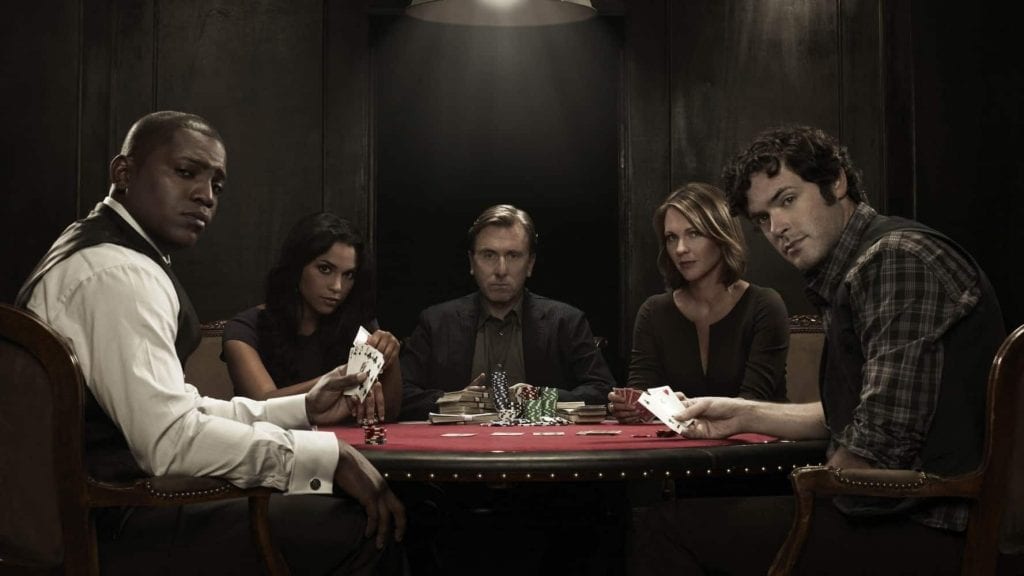
Recognizing Opponent Strength: When to Avoid Bluffing
One of the most critical lessons in poker bluffing is knowing when not to bluff. Attempting to bluff a player who clearly holds a strong hand is a recipe for disaster. Experienced players often signal their hand strength through their betting patterns, bet sizing, and even their physical tells in a live game (or timing tells in online poker).
If an opponent has been consistently betting aggressively, raising pre-flop, and continuing to bet on subsequent streets, it's highly probable they have a legitimate hand. Bluffing into such strength is akin to throwing money away. Instead, observe their actions carefully. If their play indicates a powerful hand, your best course of action is often to fold and preserve your chips for a more opportune moment. A successful poker player understands that patience and observation are just as valuable as aggression.
The Perils of Over-Bluffing: Maintaining Credibility
While bluffing is a powerful tool, its effectiveness diminishes rapidly if overused. A player who attempts to bluff every pot or too frequently will quickly become predictable. Once your opponents realize you're bluffing without strong holdings, your bluffs will be called more often, and your legitimate strong hands will receive less action.
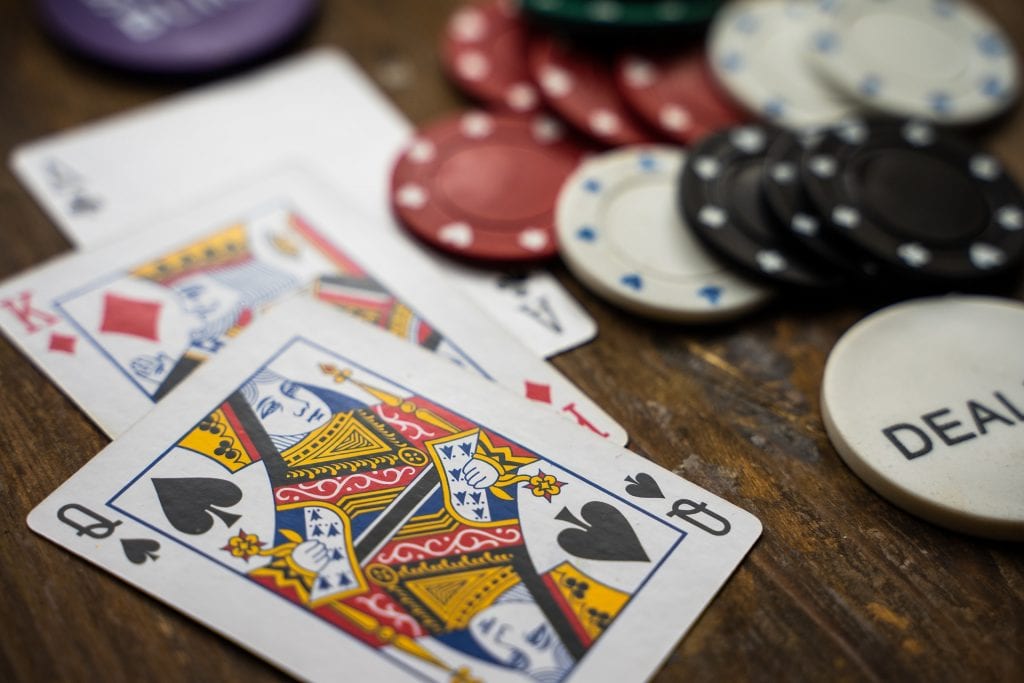
The power of a bluff lies in its surprise and the uncertainty it creates. To maintain this edge, bluffing should be a calculated move, not a default strategy. Aim for a balanced approach where your bluffs are interspersed with genuine strong hands. This keeps your opponents guessing and ensures that when you do decide to bluff, they'll give your bet the respect it deserves, making them more likely to fold.
Strategic Bluffing: Targeting Fewer Opponents
The success rate of a bluff is inversely proportional to the number of players you are trying to bluff. It's significantly harder to convince three or more opponents to fold than it is to convince just one or two. Each additional player in the pot increases the likelihood that at least one of them has a strong enough hand to call your bluff, or is simply willing to take a chance.
When considering a bluff, always assess the number of active players. Your best bluffing opportunities often arise in heads-up situations (against a single opponent) or when only one or two players remain in the hand. With fewer opponents, your chances of success are higher, and you can focus your concentration on reading the specific tendencies of those remaining players. Trying to bluff a large field is a high-risk, low-reward play that rarely pays off.
Mastering the art of bluffing is a continuous journey for any poker enthusiast in Canada. By understanding when to avoid bluffing, maintaining your credibility through selective play, and strategically targeting fewer opponents, you can significantly enhance your poker game. Remember, poker is a game of skill and strategy, not just luck. Practice these tips, observe your opponents, and play responsibly to enjoy the game to its fullest.

Lukas
Head of contentLukas is one of the leading authors at Casinoble. He entered the casino world through his passion for online poker. Lukas is also a dedicated sports betting fan. At Casinoble, Lukas usually writes about Live Dealer Games, Sportsbetting and Betting Strategies.
Most Recent News
Get the latest information